Currently on Tap
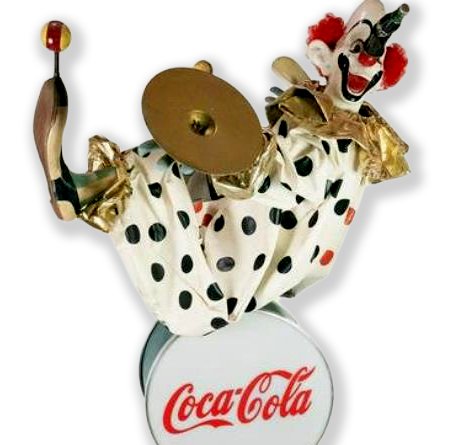
Created for Coca-Cola during the golden age of animated advertising, the Coca-Cola Clown is a whimsical example of Paul Stanley’s talent for turning an ordinary store display into a miniature performance. Designed to stop shoppers in their tracks, the colorful clown combined playful character design with mechanical motion, bringing the Coca-Cola brand to life in a way a traditional sign never could. Handcrafted, animated, and created for in-store promotion, surviving examples are now rare reminders of a time when advertising was not simply seen—it moved, entertained, and became part of the experience.
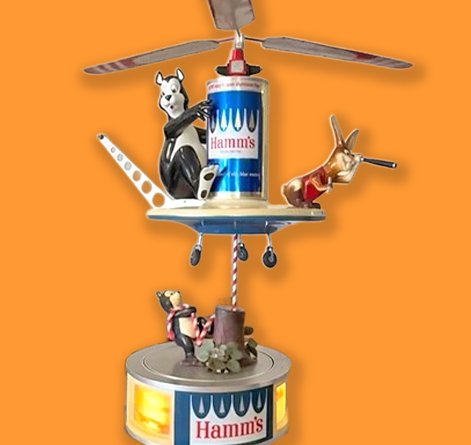
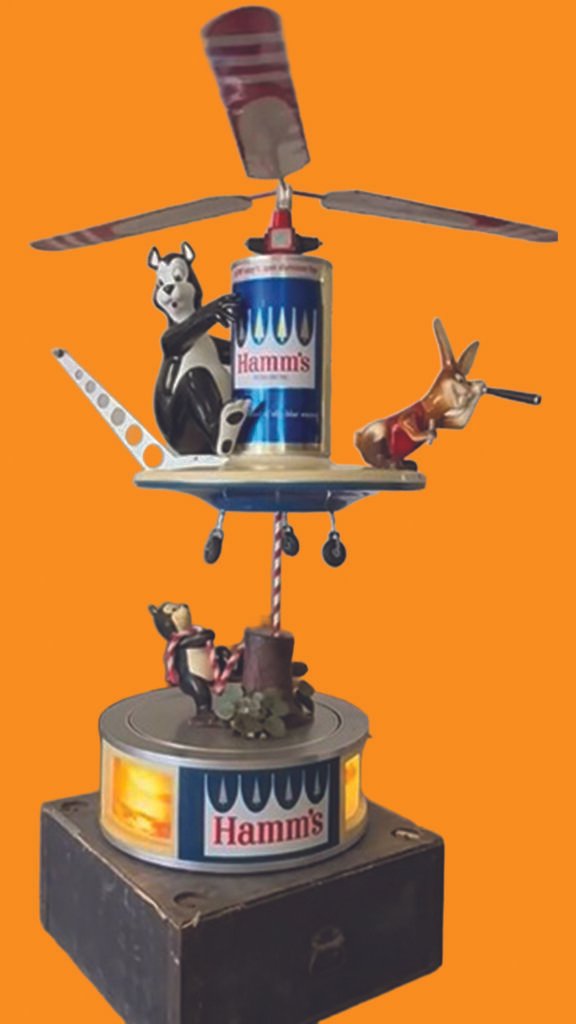
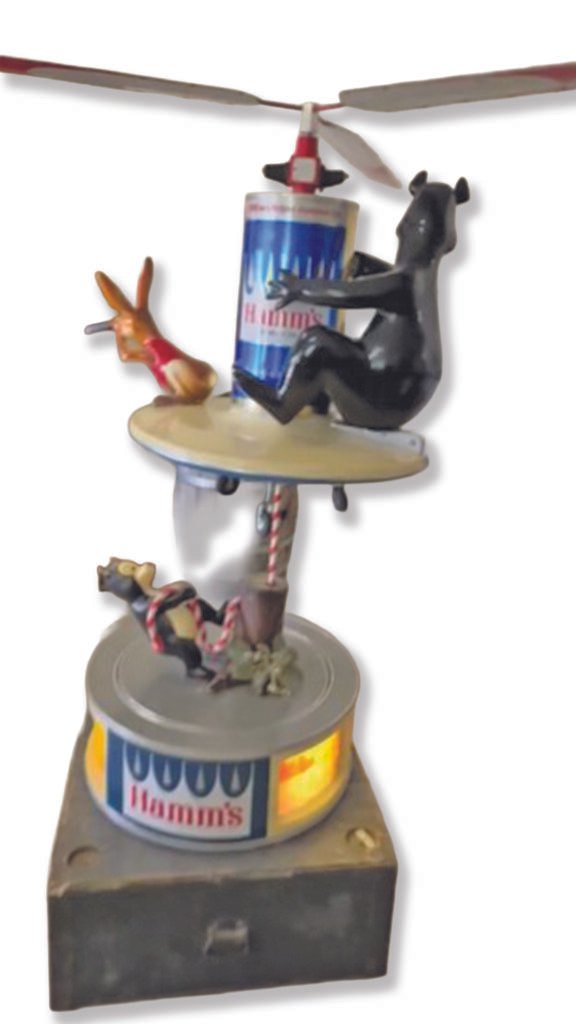
Created for Hamm’s Beer in an era when store displays were designed to move, entertain, and capture attention, the Hamm’s Beer Bear Helicopter is a playful example of Paul Stanley’s talent for combining character, motion, and imagination. Featuring the beloved Hamm’s bear piloting his own helicopter, the animated display brought the brand’s fun-loving personality to life and gave shoppers a reason to stop and watch.
Handcrafted for retail promotion, surviving examples are rare reminders of a time when beer advertising was more than something hanging on the wall—it was a show.
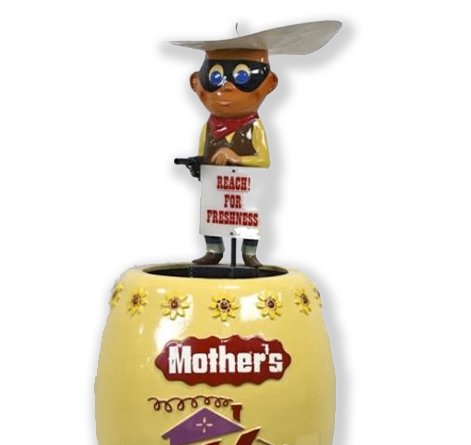
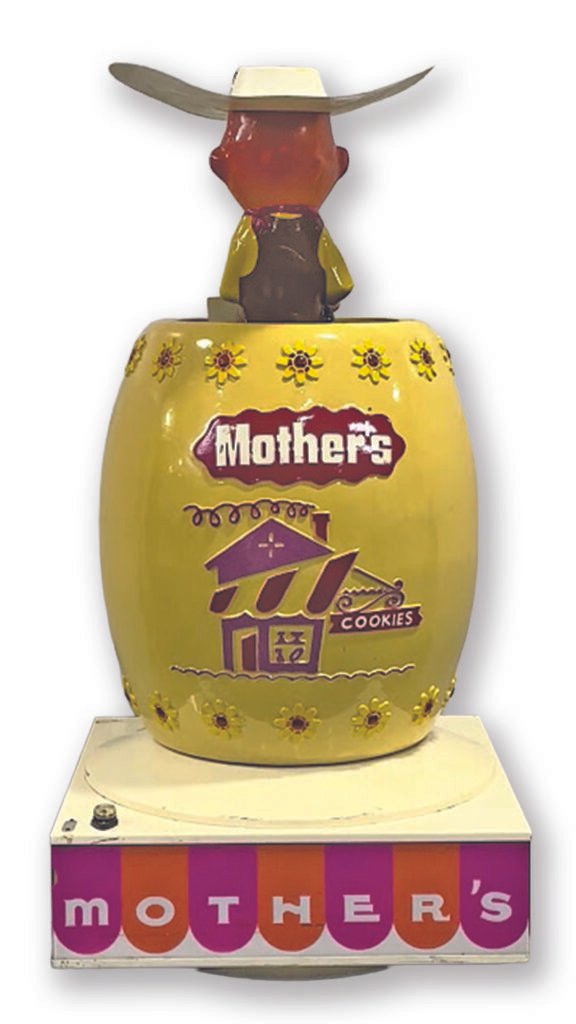
Created for Mother’s Cookies in an era when animated store displays brought brands and characters to life, the Mother’s Cookies Cowboy is a playful example of Paul Stanley’s ability to turn a familiar character into a captivating in-store attraction. With his colorful Western styling and mechanical movement, the cowboy was designed to catch the eye of shoppers and bring personality to the Mother’s Cookies brand. Handcrafted for retail display, surviving examples offer a rare glimpse into a time when advertising did more than promote a product—it moved, entertained, and made people stop for a closer look.
Sketches: Blueprints of Imagination
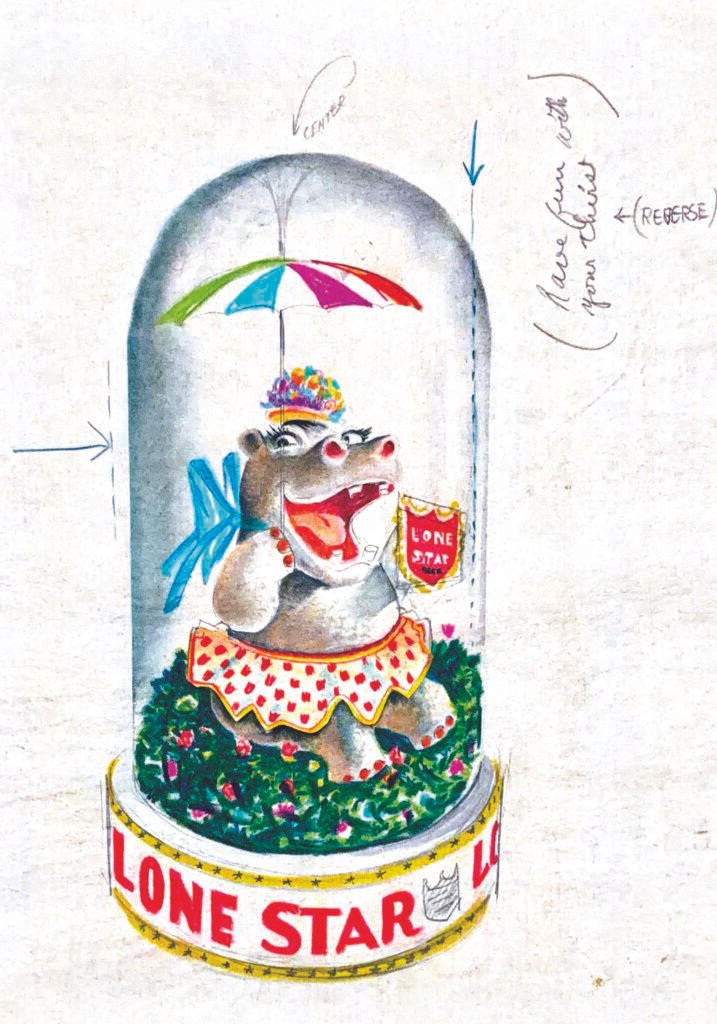
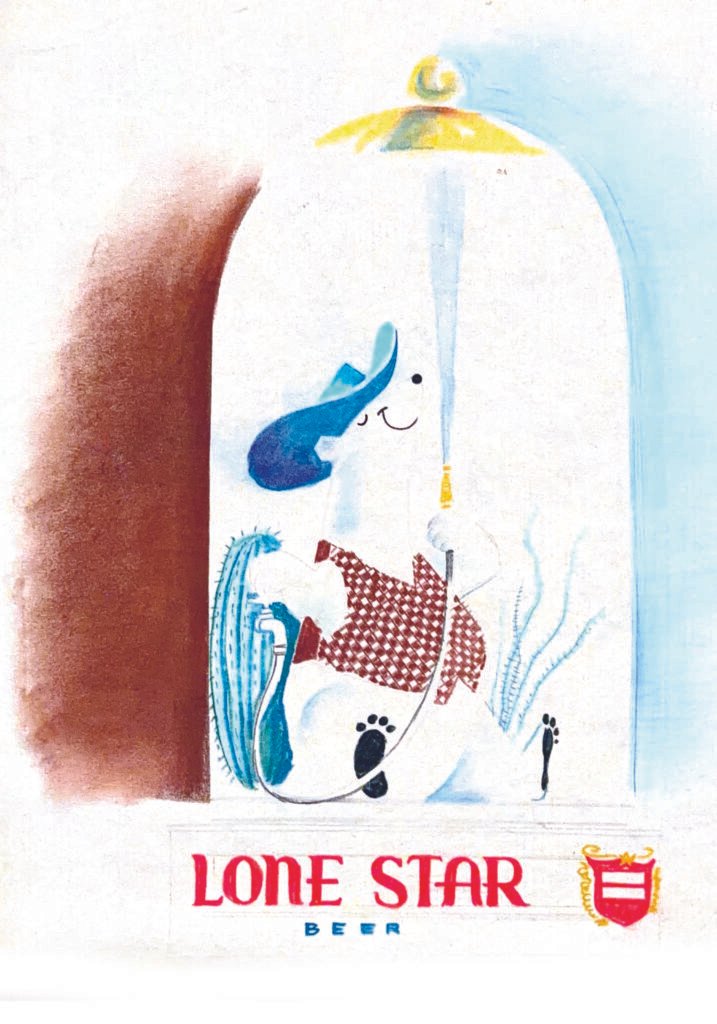
Before Paul Stanley’s animated advertising displays came to life, they began as carefully crafted concept sketches. His original drawings captured far more than artistic ideas—they served as detailed blueprints for movement, proportions, composition, lighting, and mechanical action, laying the foundation for the elaborate displays that would later captivate shoppers across America.
These sketches offer a rare behind-the-scenes look at Stanley’s creative process, revealing how simple concepts evolved into handcrafted mechanical masterpieces. Each drawing reflects his remarkable ability to blend artistic vision with practical engineering, transforming pencil sketches into animated displays that entertained, informed, and promoted some of the nation’s most recognizable brands.
Today, these original sketches stand among the most fascinating pieces of Paul Stanley’s artistic legacy. More than preliminary drawings, they are works of art in their own right, preserving the imagination, craftsmanship, and innovation that helped define the golden age of animated advertising. They provide a unique glimpse into the mind of one of America’s most influential commercial artists, whose creations continue to inspire collectors, historians, and advertising enthusiasts alike.
The Evolution of a Design
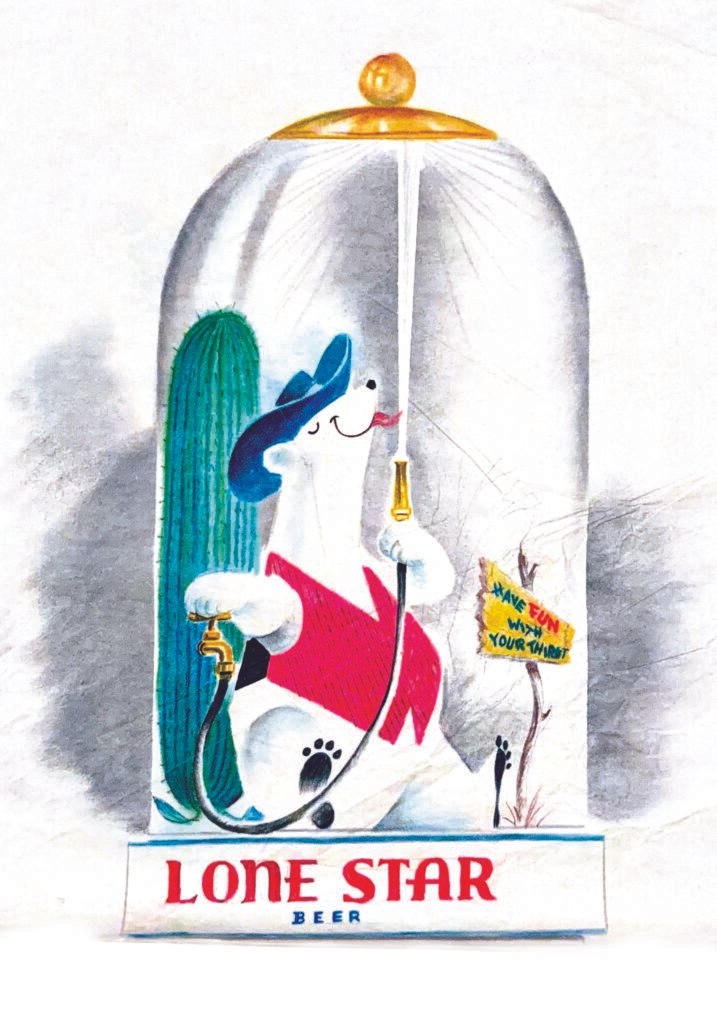
Shown side by side, these images provide a rare look at the progression of a Paul Stanley & Company design. The developmental color artwork captures the piece while its palette and details were still being refined, while the finished color version reveals the completed vision—offering a fascinating look at how an idea moved from development toward production.
Developmental Color >>
>> Finished Color
Mechanical Displays
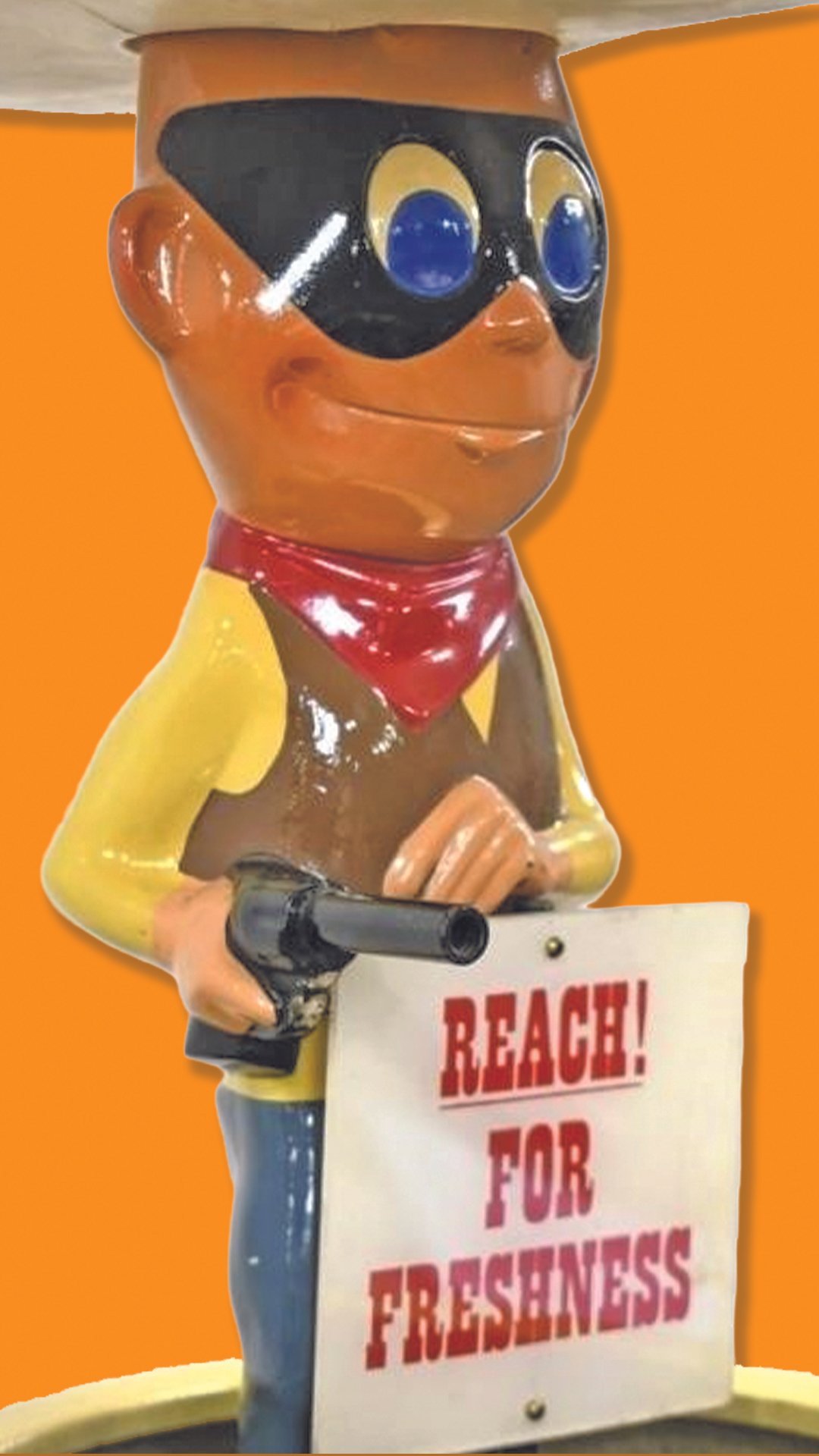
“The Cowboy” for Mother’s Cookies
One of Paul Stanley’s most recognizable creations outside the brewing industry, The Cowboy was designed for Mother’s Cookies as a welcoming symbol of the American West. With its friendly personality, eye-catching animation, and handcrafted mechanical design, the display helped attract customers while reinforcing the brand’s wholesome image. Today, The Cowboy remains a favorite among collectors, showcasing Stanley’s remarkable talent for blending storytelling, artistry, and motion into unforgettable advertising displays.
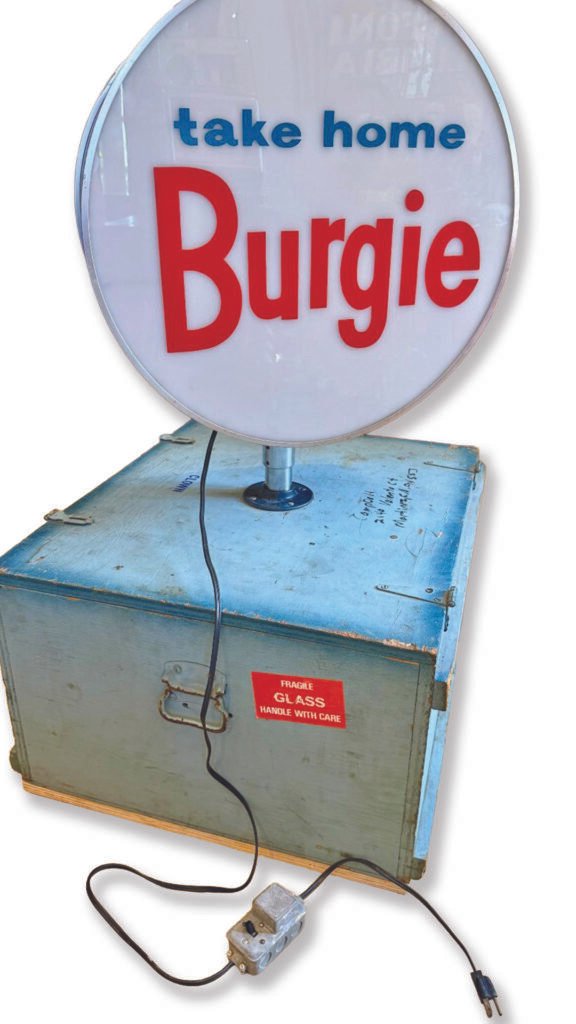
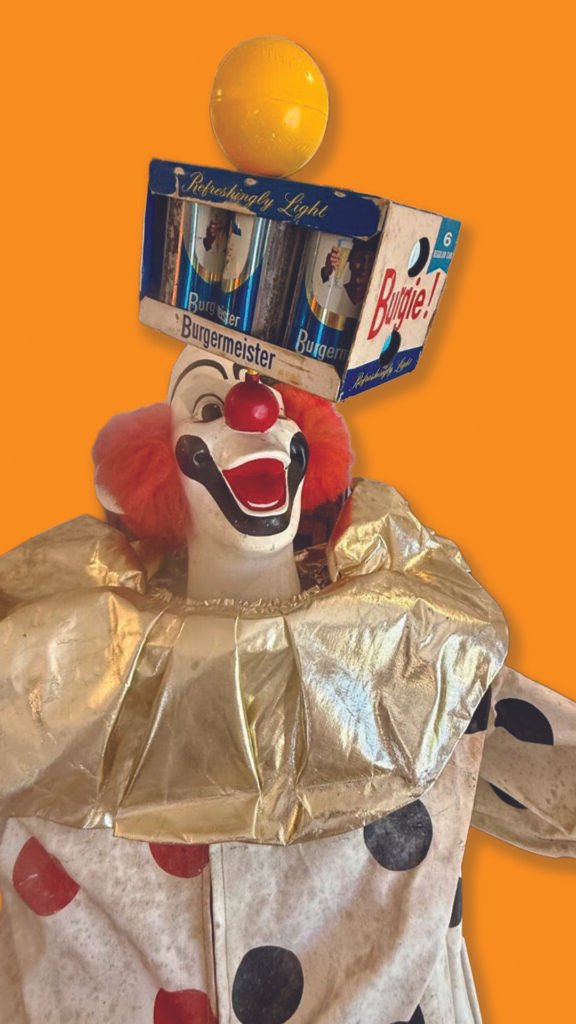
The Burgermeister Beer’s iconic “Take Home Burgie” campaign, the Burgie Clown
Created for Burgermeister Beer’s iconic “Take Home Burgie” campaign, the Burgie Clown is one of Paul Stanley’s most recognizable animated advertising displays. Designed to entertain while promoting the Burgermeister brand, the cheerful clown used colorful artwork and mechanical motion to draw shoppers into stores and create a memorable advertising experience. Today, surviving examples are highly prized by breweriana collectors, representing the creativity, craftsmanship, and innovation that made Paul Stanley’s animated beer signs legendary.
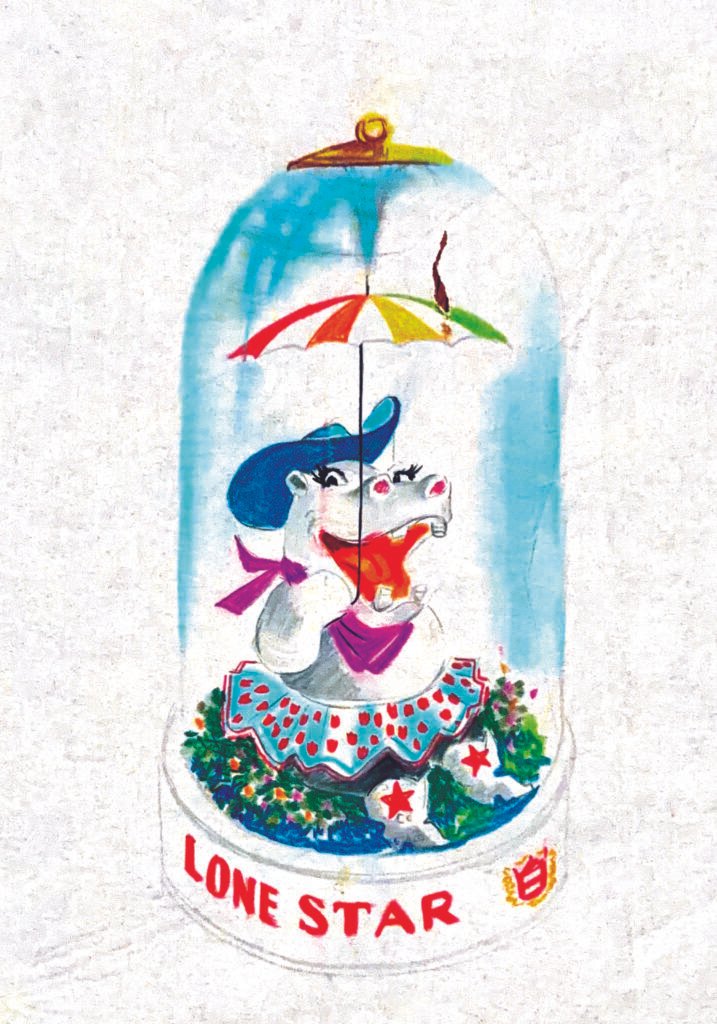
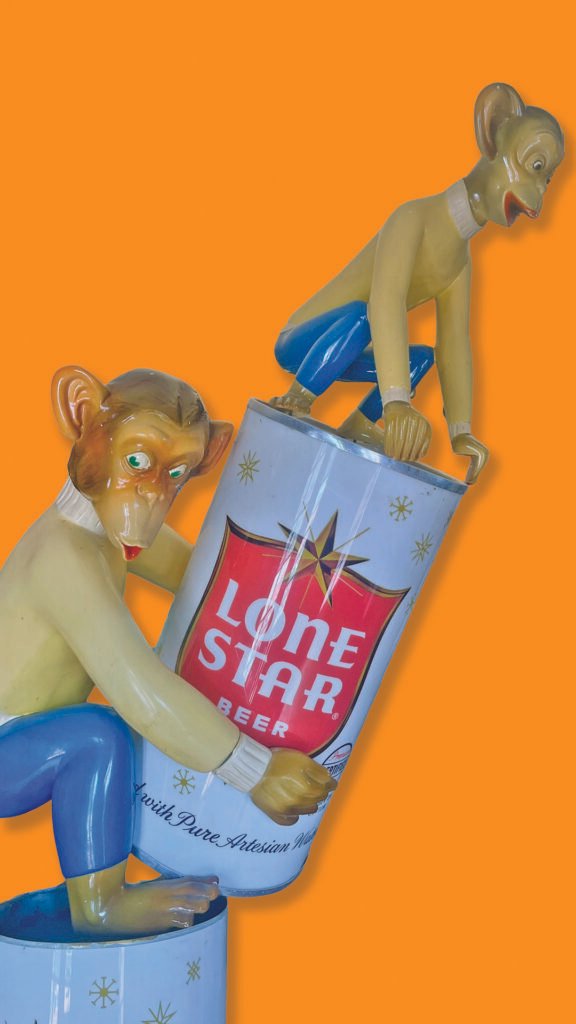
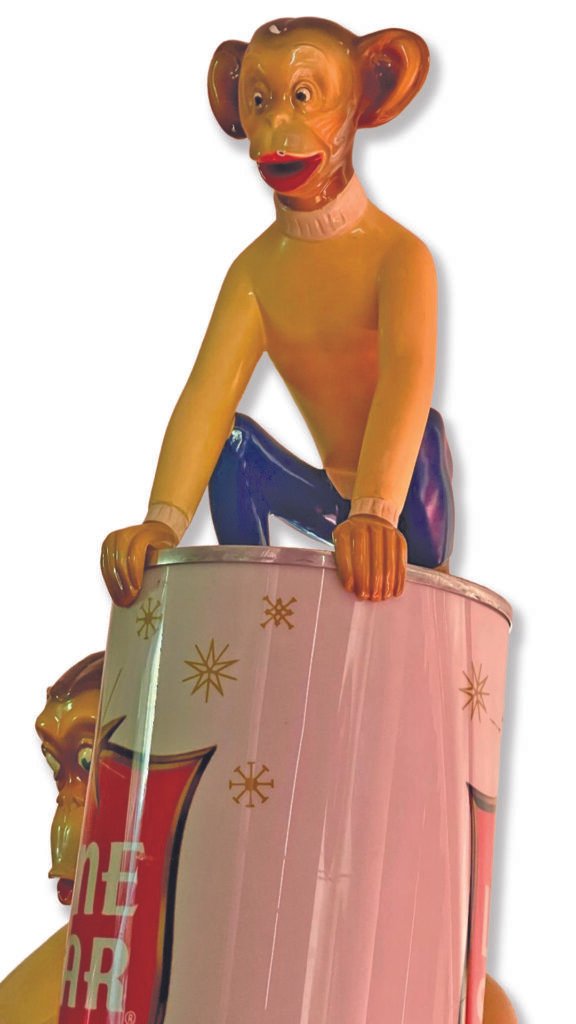
Classic signage featuring “Curious George” for Lone Star Beer.
Created for Lone Star Beer during the golden age of animated advertising, the Lone Star Monkeys display is a playful example of Paul Stanley’s imagination and mechanical artistry. Featuring two mischievous monkeys climbing over an oversized Lone Star Beer can, the animated display was designed to capture shoppers’ attention through movement, humor, and unforgettable character design. Handcrafted with Stanley’s signature blend of illustration, engineering, and animation, surviving examples are now rare treasures celebrated by breweriana collectors as outstanding pieces of mid-century advertising history.
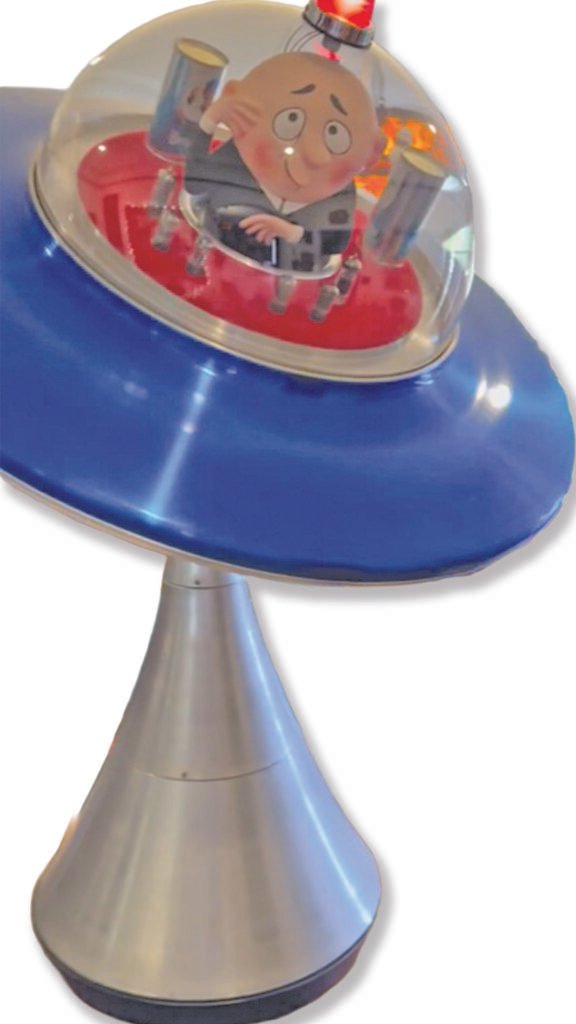
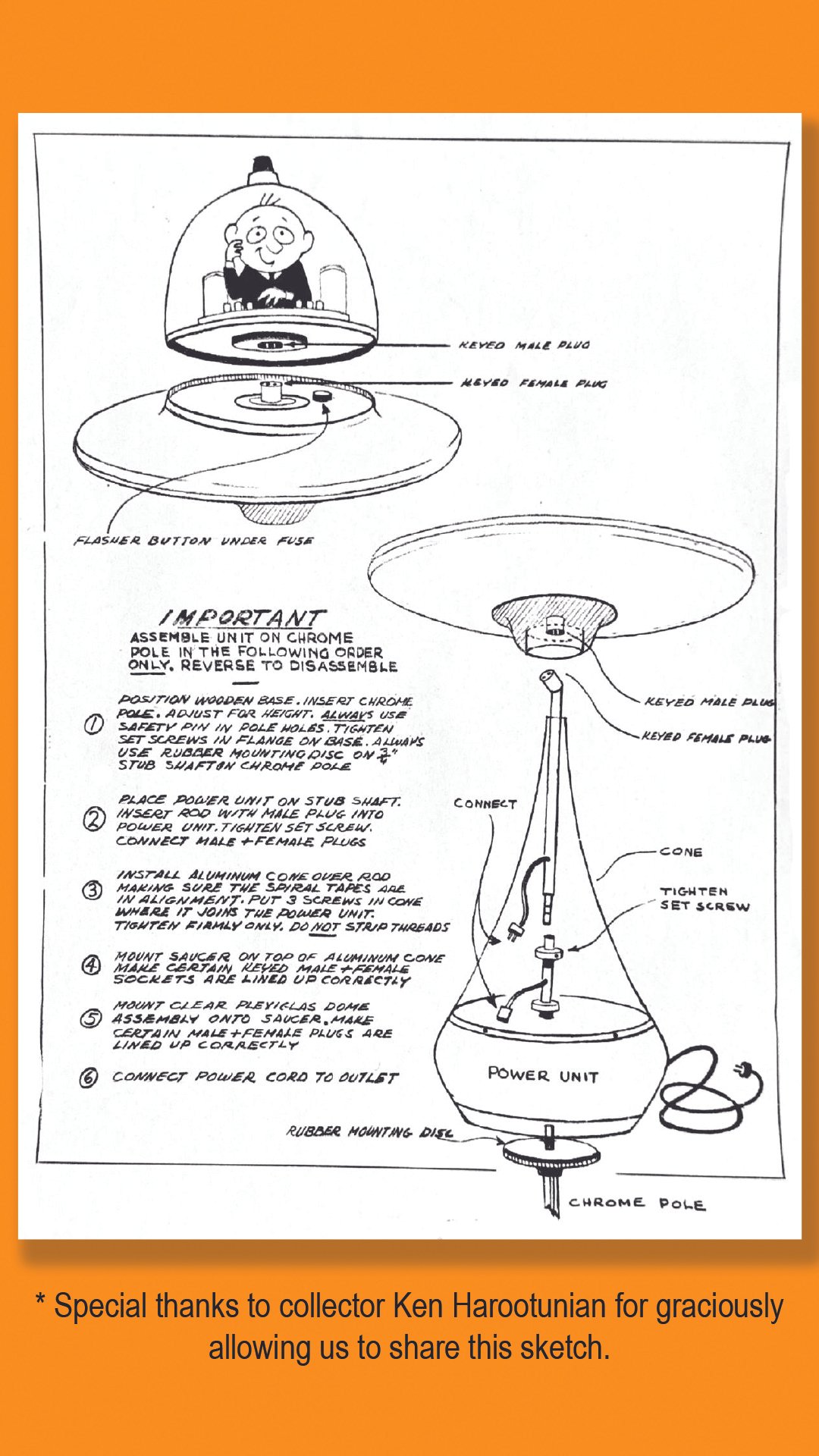
“The BURGIE Flying Saucer” for BURGERMEISTER Beer.
Created for Burgermeister Beer during the golden age of animated advertising, the Burgie Flying Saucer brought the brewery’s beloved mascot into the excitement of the Space Age. With Burgie piloting a colorful flying saucer in continuous motion, the display combined playful animation, eye-catching mechanics, and imaginative design to draw customers into stores. Today, surviving examples are highly sought after by breweriana collectors and stand as lasting examples of Paul Stanley’s extraordinary creativity and craftsmanship.
Bear piloting his own helicopter for Hamm’s Beer
Created for Hamm’s Beer in an era when store displays were designed to move, entertain, and capture attention, the Hamm’s Beer Bear Helicopter is a playful example of Paul Stanley’s talent for combining character, motion, and imagination. Featuring the beloved Hamm’s bear piloting his own helicopter, the animated display brought the brand’s fun-loving personality to life and gave shoppers a reason to stop and watch. Handcrafted for retail promotion, surviving examples are rare reminders of a time when beer advertising was more than something hanging on the wall—it was a show.